
🕒 Reading time: Around 6 minutes
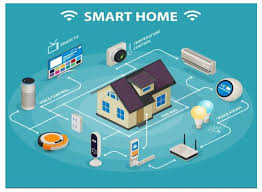
Smart-Home Devices
Our homes are getting smarter — but are they getting safer?
From Alexa and Google Home to Smart TVs and cameras, technology now lives in every corner of our houses.
These gadgets promise comfort and convenience, but behind this comfort lies a growing concern — privacy.
In 2025, India is witnessing a Smart-Home Revolution.
Every third urban household now owns at least one connected device.
But as homes become smarter, our personal data becomes more vulnerable.
The question is — are we trading our privacy for convenience?
⚙️ What Exactly Are Smart-Home Devices?
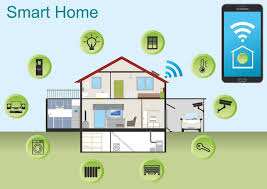
Smart-Home Devices are gadgets connected to the internet and powered by AI.
They automate daily tasks, listen to commands, and even “learn” from our behavior.
Common examples:
- Smart Speakers (Alexa, Google Nest)
- Smart Cameras & Doorbells
- Smart TVs
- Smart Lights, Air Conditioners, Refrigerators
Each “Hey Alexa!” or “Ok Google!” command is not just an interaction —
it’s also a data transaction.
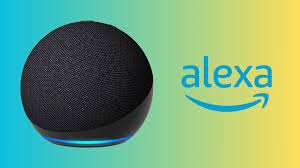
“Your Smart Device doesn’t just listen — it remembers.”
🧠 Convenience vs. Privacy — The Real Dilemma
AI-powered Smart-Home Devices record everything — your voice, your schedule, even your patterns of movement.
That data is stored on cloud servers, sometimes shared with third parties for “service improvement.”
Smart-Home Devices
📉 Real-World Example:
A Smart Vacuum Cleaner recently made headlines after its in-built camera leaked private household images online.
This incident revealed that smart convenience often comes with hidden privacy costs.
🏛️ India’s Legal Efforts: Data Protection Act 2025
India’s Digital Personal Data Protection Act (DPDP 2025) aims to regulate how companies collect and use user data.
Under this law, companies must:
Inform users about any data breaches.🧩 Expert Opinion
Obtain explicit consent before storing or processing user data.
Delete data after use.
“AI-enabled devices are reshaping convenience but also widening the scope of data vulnerability.
Until India enforces stronger privacy laws, users must act responsibly to safeguard their homes.”
— Ravi Srivastava, Cyber Security Expert, IndiaTech Forum
🔐 5 Smart Privacy Tips for Every Homeowner
1️⃣ Secure Your Wi-Fi Network:
Your Wi-Fi is the doorway to all your smart devices.
Use strong passwords and enable WPA3 encryption for maximum protection.
2️⃣ Review Device Permissions:
Check what data your devices are collecting —
most apps allow you to turn off unnecessary tracking or microphone access.
3️⃣ Use Firewalls and VPNs:
Adding an extra layer of security ensures that hackers can’t easily access your home network.
4️⃣ Update Firmware Regularly:
Outdated devices are hackers’ favorite targets. Always keep your devices up-to-date.
5️⃣ Create a Guest Network:
If friends or guests need Wi-Fi, let them connect to a separate network.
This prevents unauthorized access to your main system.
“Privacy isn’t a one-time setup — it’s a daily habit you must practice.”
🏛️ Government Action & Legal Framework
India has already introduced the Digital Personal Data Protection Act 2025,
which prohibits companies from storing or sharing user data without consent.
However, awareness and enforcement remain low.
Meanwhile, many Indian startups are now designing Privacy-First Smart Devices
that rely on local storage and end-to-end encryption,
helping India move toward an ethical and secure smart-tech future.
The Future Ahead
The global smart-home industry is expected to surpass $400 billion by 2030,
and AI integration will only deepen.
With that, your home will soon predict your needs before you even speak —
from adjusting room temperature to ordering groceries automatically.
Sounds amazing, right?
But as technology becomes more predictive, it also becomes more intrusive.
AI doesn’t just serve you — it studies you.
“The smarter the home becomes, the more transparent our lives turn.”
Conclusion
Smart-Home Devices represent progress — they make our lives efficient, safe, and futuristic.
But like every revolution, this one comes with trade-offs.
In 2025, true “smartness” lies not just in adopting technology,
but in controlling it responsibly.
“Let your home be smart — but let your privacy stay smarter.” 🔒